‘rebranding the 305’ pov II
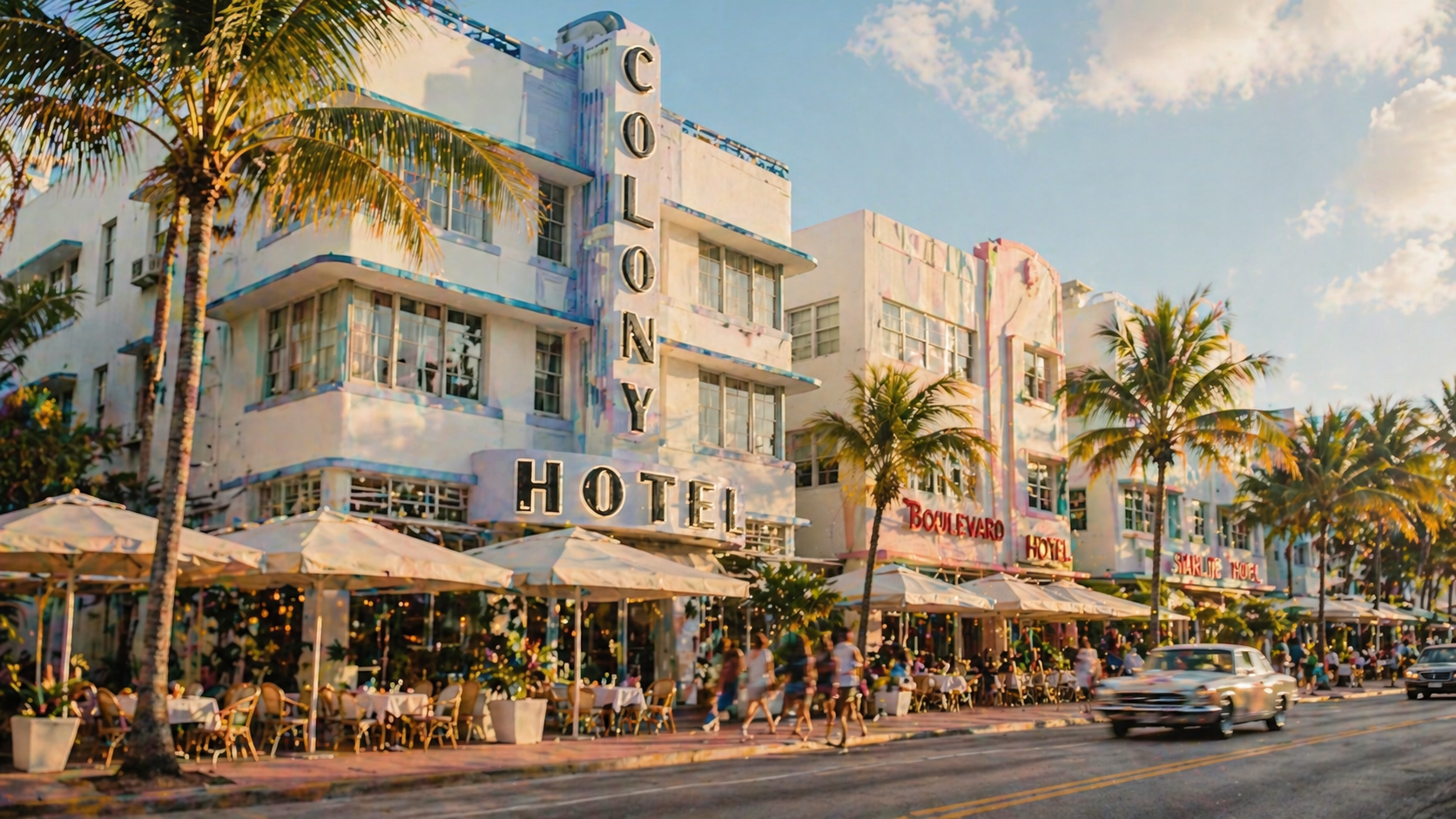
Photo Credit: Jacquemus
by design, not default
You cannot engineer a city's soul.
When I moved to Miami 3 years back, I believed I had arrived in the party capital of America- people dancing in the streets, half-naked and drinking openly.
I wasn't completely wrong. One stroll down Ocean Drive at night and you will see tourists in skimpy clothing getting loud and wasted. But that's what Times Square in New York is too- it's a spectacle, not a lifestyle!
South Beach felt too scene-y and Brickell felt too corporate.
So we decided to live in Edgewater, a neighborhood in a mid-glow-up area. It hit a sweet spot with a great school for our daughter.
But a city, like a person, has two versions of itself. The one it performs and the one it lives.
I discovered the second one slowly.
Runners at the crack of dawn in the park before the heat makes it unbearable. Athleisure as the quiet uniform of daily life-grocery runs, school pickup, coffee walks. Free yoga in the park on Monday evenings, always drawing a bigger crowd than I expect. Sometimes a violinist plays through the entire session. People trying little social experiments in the park-picnics, group workouts, someone live-blogging from an inflatable couch.
This is not the Miami that gets advertised. But it is the one that exists.
For a while, I watched the city figure out the version it wanted to keep. Eventually I quietly accepted what it was becoming, the same way a neighborhood accepts new coffee shops and longer school drop-off lines.
Then someone sent me a video.
I've ignored marketing campaigns my entire adult life. This one I watched twice.
A man wakes up from a ten-year coma and finds a city that has moved on without him. He plays volleyball. Drinks green juice. Gets a hot-stone massage and says he could stay for another ten years.
It's a happy ending. The city gets the visitor it wants.
What it cannot tell you is who was there before him, and where they went.
But every rebrand is a bet!
You tell a story about yourself and hope the city catches up to it. Miami Beach made a three year bet too. They spent two years clearing the room and this year they decided to fill it with someone better- the coma man.
He walks in with no history, no loyalty to the old version, and converts. Clean slate, green juice, good reviews.
What the video skips is everything underneath-the businesses that didn't survive the quiet years, the residents who watched and waited, the parts of the city that were never in the ad to begin with.
You can reposition a brand in a campaign. You cannot reposition a city. The ad opens the door. The rest of it has to already be there.
I came to Miami with a different idea of the place, but found myself at moms' matcha mornings and mommy-and-me workouts. I was afraid of CrossFit, but I enrolled myself, my husband, and two friends in a bootcamp anyway. Once a month I do what I call granny workshops — vision boards, knitting and pottery.
It was me. I was becoming the city.
The campaign itself didn't surprise me. What surprised me was how familiar everything in it felt.
The most interesting thing about Miami Beach's Spring Break campaign isn't the campaign. It's the assumption underneath it-that a city can decide what it wants to become and simply announce its way there.
I think about this when I walk through Edgewater on a Tuesday morning.
You can spend $425,000 telling people who to be in a city. Or you can just let the city breathe.
The soul shows up either way. You just don't get to choose what it looks like.
from Miami,
hope this helps! xo,
neha saraiya <3